Sustainability
Designing for a greener future
Sustainability is at the heart of our proposals for Gayton. The aim is to create a development that supports healthy lifestyles, protects and enhances the natural environment and reduces carbon emissions.
This means considering sustainability in every aspect of the proposals – from the layout of green spaces and walking routes to the design and construction of the homes themselves.
By combining energy-efficient homes with new green spaces, enhanced biodiversity and improved walking connections, the proposals aim to create a neighbourhood that is both environmentally responsible and enjoyable to live in.
Enhancing biodiversity
Improving ecology through new habitats and planting
The site is currently made up of agricultural land, which typically supports relatively low levels of biodiversity.
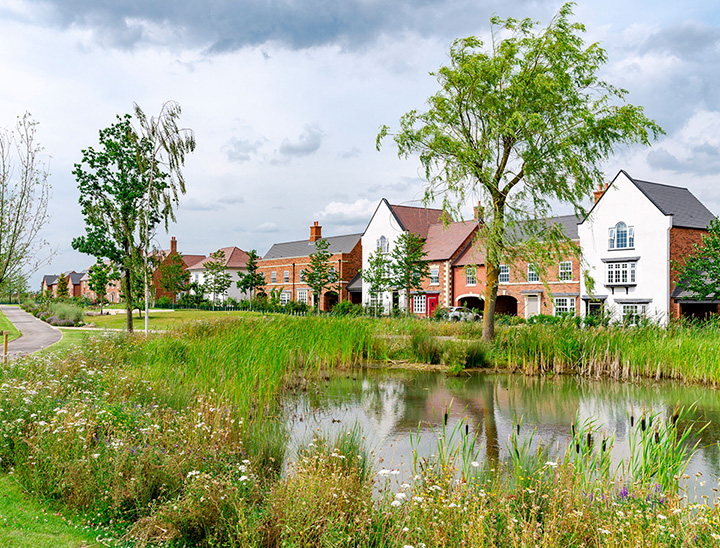
Our proposals provide an opportunity to significantly improve this, by introducing a wider range of habitats and planting across the site.
This will include native trees, hedgerows and wildflower areas designed to support birds, insects and other wildlife. The development will deliver at least a 10% biodiversity net gain, meaning the ecological value of the site will be measurably higher after development than it is today.

Open space
Accessible green space for a connected community
The development will provide new areas of publicly accessible green space, offering opportunities for recreation and relaxation.
Play areas will be included, along with potential outdoor fitness features. New and improved walking routes will help connect the site to the surrounding area.

Energy efficient homes
Lower bills and emissions through efficient design
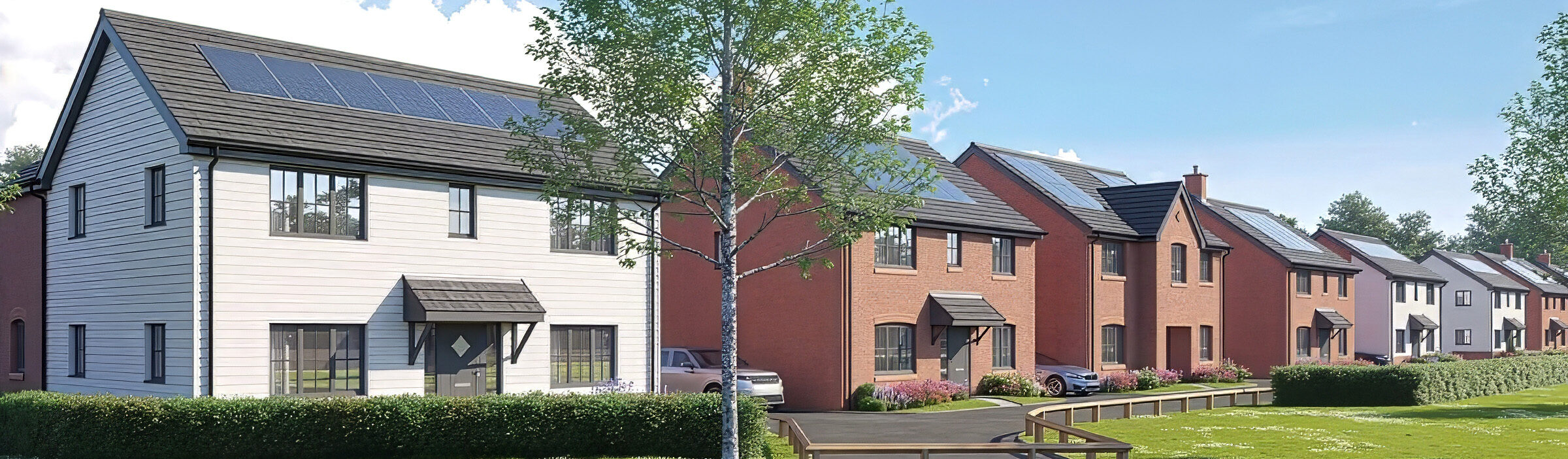
The homes will be designed to achieve high levels of energy efficiency, helping to reduce carbon emissions while also lowering energy bills for residents.
Our approach supports the transition towards net zero and focuses on both reducing energy demand and generating renewable energy.
Key features include:
- Energy-efficient design
A fabric-first approach using high levels of insulation and layouts that maximise natural daylight, helping homes stay warm while reducing energy use. - Low-carbon technology
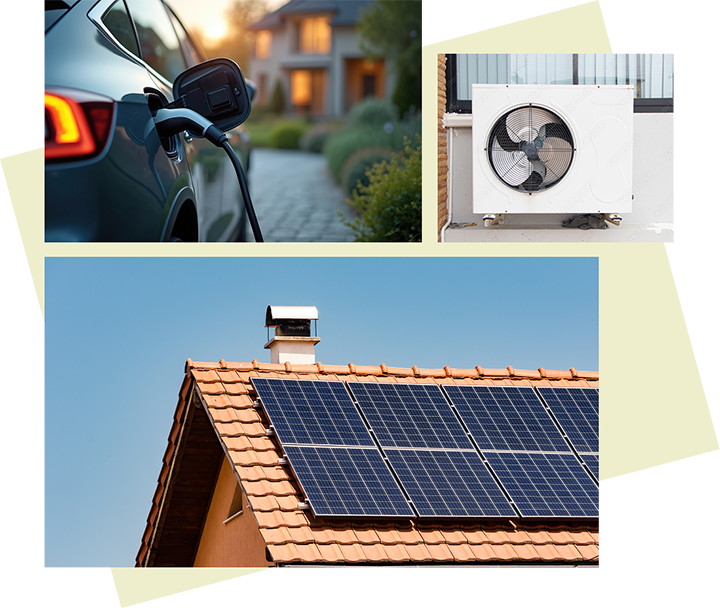
Solar panels and heat pumps will help generate renewable energy and reduce carbon emissions. - EV charging
Every home will be provided with electric vehicle charging facilities to support the transition to low-emission transport.